
Is a Zhiguang Home Organization Box Suitable for Under Bed Use
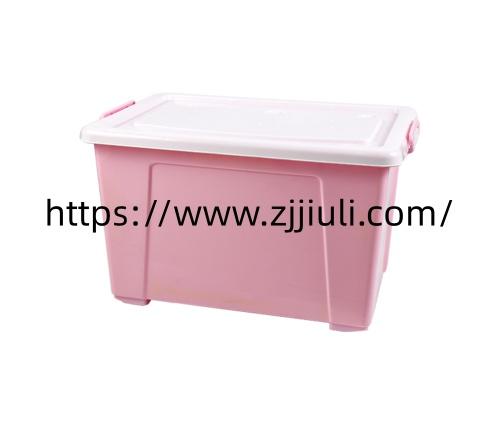
Home Organization Box selection matters when every corner of an apartment has a purpose. From compact bedrooms to narrow kitchens, choosing suitable storage containers can help residents keep everyday belongings accessible without making rooms feel crowded. The right approach begins with understanding available space, identifying frequently used items, and selecting containers that match individual storage needs. For renters and small household owners, a practical storage plan can also reduce the need for additional furniture.
Measurements provide a useful starting point for compact living. Before purchasing storage products, measure the width, depth, and height of shelves, cupboards, wardrobes, and spaces beneath beds. Remember to account for handles, lids, hinges, and the clearance needed to slide containers in and out. A container that looks suitable in a shop may not fit comfortably into a narrow cupboard. Measuring carefully helps avoid unnecessary purchases and makes it easier to compare different sizes. For shelves, consider the available vertical clearance as well as the weight that each shelf can safely support.
Bedrooms often contain unused space above clothing rails, inside wardrobes, and beneath elevated bed frames. Stackable containers can make better use of vertical areas when their dimensions and construction are suitable for stacking. Frequently worn clothing should remain within easy reach, while seasonal garments and spare bedding can be placed on higher shelves. Smaller containers are useful for socks, belts, accessories, and other items that tend to become mixed together. Transparent designs can make identification easier without requiring every container to be opened. Where opaque styles are preferred, simple labels can identify contents clearly.
Under bed storage is another practical option for apartments with limited closet capacity. Measure the clearance carefully and consider how easily a container can be retrieved. Lightweight designs may be convenient for occasional use, while models with wheels can help when the floor surface and available clearance allow movement. Choosing suitable dimensions can help residents use overlooked areas without interfering with normal movement around the bedroom.
Small kitchens require careful separation of cooking supplies, utensils, cleaning products, and pantry essentials. Compact containers can help group similar items inside cupboards, making frequently needed supplies easier to locate. Choose dimensions that fit the shelf rather than leaving large gaps that collect miscellaneous belongings. In bathrooms, narrow storage units can hold toiletries, spare towels, grooming accessories, and personal care supplies. Moisture conditions deserve particular attention. Plastic containers may suit many household applications, but stored items should be dry when appropriate, and enclosed spaces need adequate ventilation to help limit moisture buildup.
Keep cleaning products separate from food, medicines, and personal care items. Products containing chemicals should remain in their original labeled packaging and be stored according to their safety instructions. A clearly divided arrangement helps reduce confusion in shared households. In living rooms, small containers can organize remote controls, stationery, charging cables, and hobby supplies. Placing frequently used items near their usual activity areas makes daily routines easier to manage.
Material selection influences handling, cleaning, visibility, and long term maintenance. Plastic containers are commonly used because many designs are lightweight and easy to wipe clean. Fabric alternatives may suit lightweight clothing or accessories, while rigid designs can provide structure for items that need a defined compartment. Consider whether lids are necessary. Covered containers can help reduce dust exposure, particularly when belongings are stored for extended periods. Open containers may be more convenient for frequently accessed items, provided their contents remain tidy and the surrounding area is suitable.
Stackability, handle placement, and opening direction also matter. Containers should remain accessible after they are arranged on shelves or inside cupboards. Avoid stacking units beyond the manufacturers recommended limits, and place heavier belongings at lower levels to support safer handling. For renters, choosing flexible storage products can also be useful when moving between apartments or rearranging furniture.
Buying containers alone will not maintain a tidy living environment. Start by sorting possessions into categories such as daily essentials, occasional use items, seasonal belongings, and items that can be donated or discarded. This reduces the chance of filling every available container with things that are no longer needed. Assign a specific location to each category and return items to their designated places after use. Labels can identify contents, while a simple inventory can help residents remember where seasonal decorations, spare linens, and hobby supplies are stored.
Review the arrangement whenever household needs change. Moving to a different apartment, changing wardrobes for a new season, or introducing new kitchen equipment may require a different configuration. Flexible storage choices make these adjustments easier without requiring a complete rearrangement. A studio may benefit from containers that fit beneath furniture, while a shared apartment may need separate units for personal belongings. Families with children may prefer clearly separated compartments for toys, books, and creative materials.
Zhiguang offers household storage products that can support practical arrangements across bedrooms, closets, and other living areas. When comparing available options, consider dimensions, intended use, material, lid design, and the space required for regular access. These details help buyers select products that correspond to their actual household needs instead of purchasing containers that may remain unused. A thoughtful storage arrangement combines suitable products with consistent daily habits. By measuring carefully, grouping related belongings, and using overlooked spaces responsibly, apartment residents can create rooms that remain comfortable and easier to maintain. To review available household storage options and product designs, visit https://www.zjjiuli.com/product/ and compare the options with your available space and everyday requirements.

 English
 Arabic
 French
 Spanish
 Portuguese
 Deutsch
 Turkish
 Dutch
 Italiano
 Russian
 Portuguese (Brazil)
 Greek