
How Does Qinlang Low Noise Duct Fan Support Comfortable Ventilation
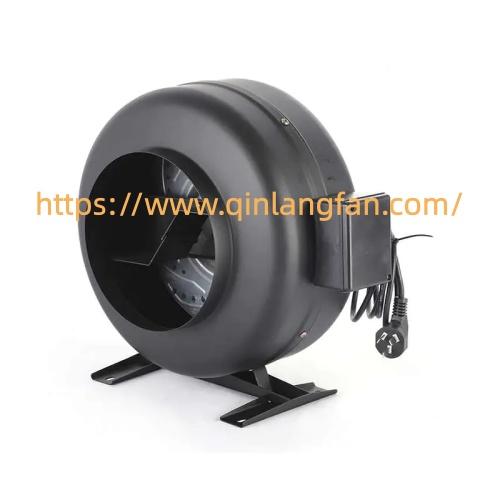
Low Noise Duct Fan selection involves more than finding a model with a low sound rating. Buyers need to consider airflow, installation conditions, motor specifications, and the space where the equipment will operate. A fan that suits a small office may not meet the requirements of a commercial building or a longer duct system. Taking time to compare these details can help buyers choose equipment that supports everyday comfort and reliable ventilation.
Noise is often one of the first things people notice after a ventilation system is installed. A steady hum may be acceptable in a utility room, but the same sound can become distracting in a bedroom, meeting room, or reception area. Before comparing products, think about who will use the space and when the fan will operate. Continuous ventilation in an occupied room may require a different approach from occasional air extraction in a storage area.
Airflow should be the starting point. Consider the room size, the purpose of ventilation, and how much air needs to move through the system. A fan that cannot provide sufficient airflow may leave humidity, odors, or stale air lingering. Choosing a unit with an unnecessarily high capacity can also create problems, including avoidable energy consumption and additional sound. The goal is to match the fan to the actual application rather than relying on a single headline figure.
Duct layout deserves equal attention. Every bend, grille, filter, and length of ductwork can add resistance to moving air. As a result, a fan may deliver less airflow after installation than its free-air rating suggests. Buyers should review the expected static pressure alongside the airflow specification and ask whether the selected model can meet the required operating point. This is particularly important for projects involving long duct routes or several changes in direction.
Noise figures also need careful interpretation. Ask the supplier how the sound level was measured, including the distance, operating speed, and test conditions. Two products cannot always be compared fairly when their published figures come from different testing arrangements. It is also useful to consider vibration and sound travelling through the ductwork. Secure mounting, suitable connections, and a well-planned duct route can all influence the sound experienced by people in the building.
Motor specifications and power requirements should be checked before an order is confirmed. Verify the supply voltage and frequency, control options, rated power, and compatibility with the intended electrical system. Where variable-speed operation is required, confirm which controls are supported rather than assuming that every motor can use the same controller. Buyers working across different markets should also check applicable documentation and product requirements before shipment.
The physical design matters once installation begins. Measure the available space and confirm the duct connection size, mounting arrangement, and clearance needed for maintenance. A compact unit may be useful where ceiling space is limited, but the installer still needs enough room to connect wiring, inspect components, and carry out routine servicing. Access should be considered during the planning stage, not after the ceiling or surrounding structure has been completed.
It is also worth asking the manufacturer about quality checks, product consistency, and support for project-specific requirements. For wholesale buyers and contractors, clear technical documentation can make product comparison and installation planning easier. Ask for the relevant performance data, dimensional drawings, wiring information, and guidance on routine maintenance. If the order involves multiple units, confirm model identification and specifications in writing so the supplied equipment matches the approved selection.
Qinlang offers ventilation product options for buyers assessing different project needs. When comparing models, procurement teams should provide the intended application, duct diameter, approximate duct length, required airflow, available installation space, and local electrical requirements. These details help establish whether a proposed model is suitable and reduce uncertainty during the quotation process. Buyers can review the available product range at https://www.qinlangfan.com/ and contact Qinlang to discuss specifications for their planned ventilation system.

 English
 Arabic
 French
 Spanish
 Portuguese
 Deutsch
 Turkish
 Dutch
 Russian
 Romaian
 Portuguese (Brazil)
 Greek