
Mountain trek research and preparation resources
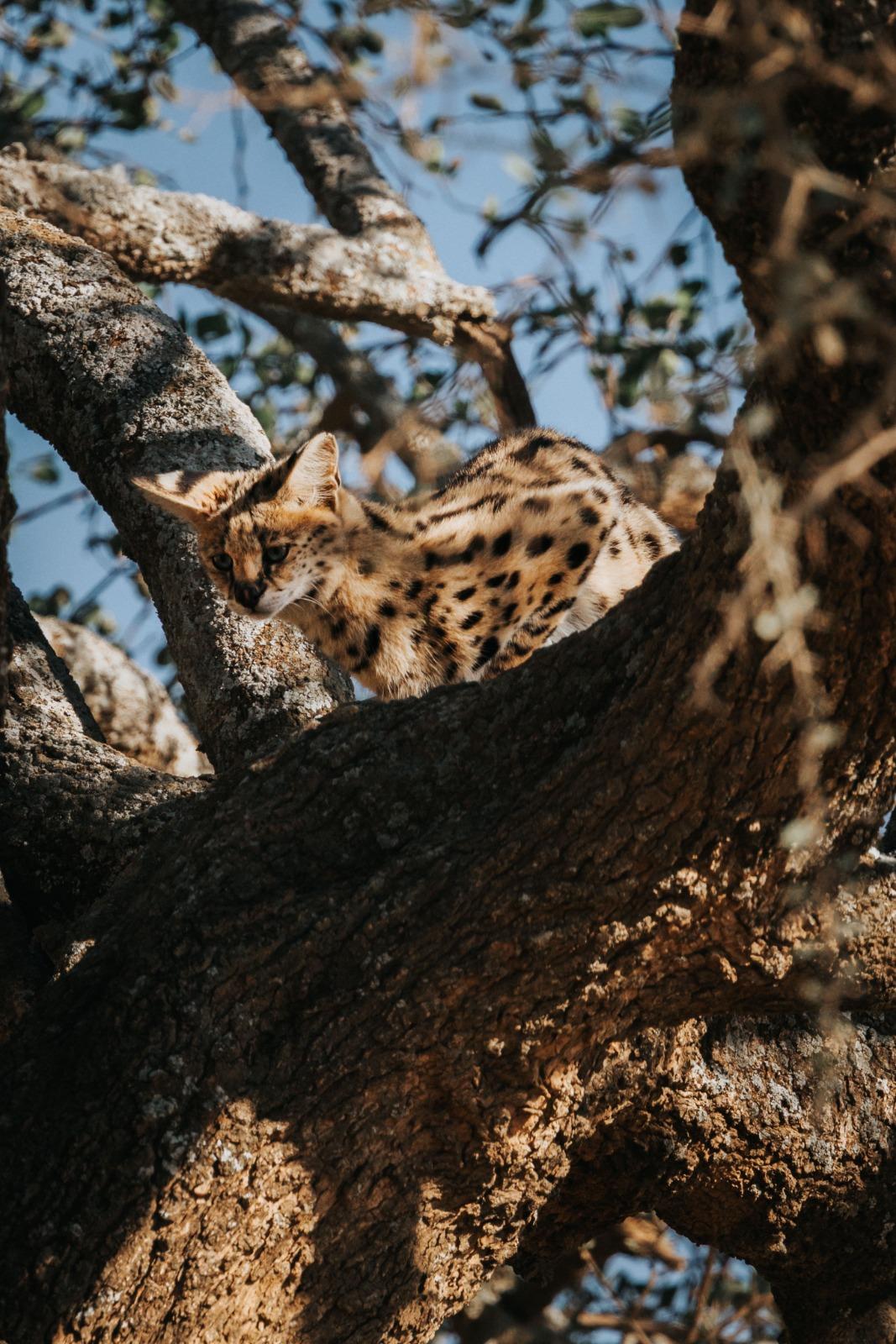
Mount Kilimanjaro is one of the world's most spectacular mountain destinations, attracting adventure travelers who would like to experience Tanzania's dramatic countryside and reach the highest point in Africa. Standing at approximately 5, 895 meters above sea level, this iconic mountain offers a challenging journey through changing climates Safari Soles Tours guides, diverse plants, and spectacular scenery. However, a successful Kilimanjaro adventure requires more than enthusiasm. Choosing the right route, preparing physically, understanding altitude risks, and traveling with responsible guides are essential parts of the experience.
Whether arranging a first mountain expedition or preparing for a demanding multi-day incline, understanding the key regions of Kilimanjaro walking can help travelers make informed decisions and luxuriate in a safer, more rewarding journey.
Choosing the best Kilimanjaro Walking Route
Selecting an appropriate route is one of the most important decisions when arranging a Mount Kilimanjaro adventure. Different channels offer varying countryside, walking stays, accommodation arrangements, and acclimatization opportunities. Your best option depends on fitness, experience, personal preferences, and the amount of time available.
The Lemosho Route is popular among trekkers who appreciate scenic countryside and a gradual approach to the mountain. Its longer itineraries can provide more time for acclimatization while passing through beautiful forest environments and expansive alpine ground.
The Machame Route attracts adventurous travelers with its varied scenery and challenging hiking trails. Often called the Whiskey Route, it provides steep sections and distinctive landscape changes that will make the journey memorable.
The Marangu Route follows a different approach, offering mountain hut accommodation instead of traditional camping throughout the trek. It may appeal to travelers who prefer sleeping indoors, although the available plans and acclimatization schedule should be considered carefully.
Before booking, compare the sum of walking duration, daily elevation changes, descent arrangements, group size, and guide support. A route should be selected according to safety and suitability rather than popularity alone.
Understanding Altitude Acclimatization and Walking Safety
Altitude acclimatization is a critical consideration on Kilimanjaro because the mountain rises far above the elevations most people regularly experience. As altitude increases, atmospheric pressure decreases, making less oxygen available with each oxygen. This can affect even toned individuals.
A well-planned plans allows the body time to adjust gradually. Spending additional days on the mountain generally provides better opportunities for acclimatization than attempting an immediate incline. Many walking plans incorporate the principle of climbing higher during the day and sleeping at a lower elevation when appropriate.
Common symptoms of extreme mountain sickness include headaches, nausea, dizziness, fatigue, and reduced appetite. Trekkers should communicate symptoms to their guides promptly rather than attempting to continue in order to maintain the schedule. Severe symptoms, including confusion, difficulty walking straight, or breathlessness at rest, require urgent medical assessment and descent.
Travelers should choose operators with trained guides, appropriate emergency procedures, reliable communication equipment, and clear evacuation plans. No plans can eliminate altitude-related risks, and reaching the peak should never take priority over personal safety.
Preparing Physically for a Multi-Day Incline
Physical preparation can make long walking days more manageable. Although climbing Kilimanjaro does not generally require technical mountaineering skills on standard walking channels, it involves sustained walking, uneven ground, steep sections, and considerable elevation gain.
Ideally, training should begin almost a year before journeying. Regular walking, hiking, stairway climbing, and moderate cardiovascular exercise can help build endurance. Gradually increasing the duration of workouts allows the body to adapt without introducing excessive training stress.
Strength training can also support walking performance. Exercises that develop the legs, body, core, and balance may improve stability while carrying a daypack. Practice hikes on slopes or uneven hiking trails are particularly useful because they appear like the demands of mountain walking more closely than flat-ground exercise alone.
Travelers should also test their hiking boots, socks, backpack, and clothing during training. This helps identify uncomfortable equipment before the expedition begins. Anyone with medical concerns or limited exercise experience should consult a qualified healthcare professional before starting a demanding training curriculum.
Essential Equipment and Clothing for Kilimanjaro
Kilimanjaro's changing environments require a practical clothing system. Conditions can range from warm, humid rainforest weather to freezing temperatures near the peak. Wearing several adjustable layers helps trekkers respond to these changes throughout the day.
Moisture-wicking base layers, insulating midlayers, and a waterproof outer cover provide a useful foundation. A warm covered jacket, suitable walking trousers, gloves, a hat, and winter accessories become particularly important during peak night.
Reliable hiking boots with adequate grip and a comfortable fit are essential. Travelers should also pack a daypack, water containers, sun protection, a headlamp, personal medications, and a basic first-aid kit according to their operator's equipment checklist.
Sleeping equipment, technical clothing, and other larger items may be supplied or rented through the walking rider. However, travelers should confirm what is included before journeying and prevent assuming that every essential item will be provided.
Planning Travel and Choosing a Responsible Walking Rider
A successful Tanzania mountain walking trip begins before arriving at the trailhead. Travelers should research the best season for their preferred experience, allow sufficient time for arrival and recovery, and understand the arrangements for transportation, accommodation, meals, park fees, and equipment.
The Kilimanjaro region even offers opportunities to explore local communities, nearby countryside, and other Tanzanian attractions. Adding a few days before or after the trek can create a more relaxed travel experience and provide flexibility if flights or other arrangements change.
When comparing walking operators, review their experience, safety procedures, guide qualifications, emergency response plans, group policies, and transparent pricing. Responsible operators should also demonstrate fair treatment of mountain deckie's and respect for the natural environment.
Travelers should verify booking conditions, cancellation policies, insurance requirements, and the option of appropriate emergency evacuation coverage. Independent research and clear communication can help prevent misunderstandings during the planning process.
Conclusion
Arranging a Mount Kilimanjaro adventure involves balancing preparation, route selection, safety, and realistic expectations. Choosing a suitable plans, developing physical endurance, understanding altitude acclimatization, and taking appropriate equipment can help travelers prepare for the challenges of a multi-day incline.
Equally important is selecting a responsible walking rider and remaining flexible when mountain conditions change. Kilimanjaro rewards patience, careful planning, and respect for the natural environment. With informed preparation and a safety-first mindset, travelers can experience Tanzania's remarkable mountain countryside while making their walking journey more enjoyable and memorable.

 English
 French
 Spanish
 Portuguese
 Deutsch
 Turkish
 Dutch
 Italiano
 Russian
 Romaian
 Portuguese (Brazil)
 Greek