
What Causes Wear in Non-Woven Fiber Wheel Equipment
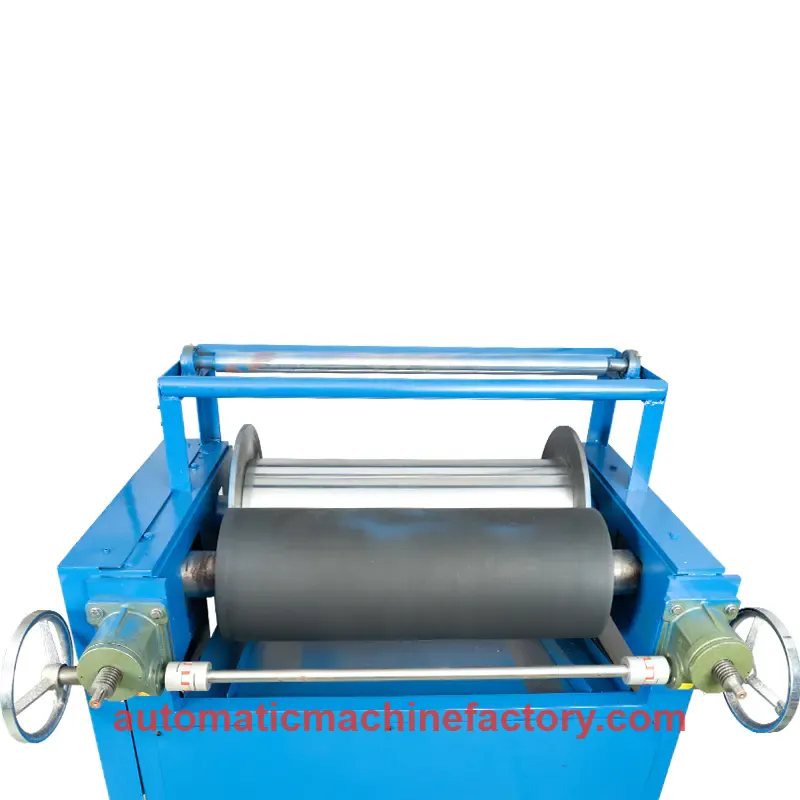
Production floors that manufacture abrasive fiber wheels depend on machinery that runs without interruption through long shifts. When Non-Woven Fiber Wheel Production Equipment falls behind on maintenance, the consequences appear quickly: uneven wheel density, excessive dust, bearing noise, and eventually unplanned stoppages that disrupt customer deliveries. The service team at automaticmachinefactory has supported manufacturers through years of equipment operation, and the patterns they observe rarely surprise anyone who understands how abrasive production wears on machinery. What separates a plant that replaces parts on schedule from one that reacts only after failure?
Daily attention costs little and prevents substantial problems. Operators should inspect the fiber opening section each shift, watching for fiber tangles that restrict airflow and cause inconsistent web formation. Compressed air lines require draining to remove moisture that otherwise reaches the forming area and affects resin curing. Dust collection systems need verification, since restricted airflow allows airborne fibers to settle on moving parts and accelerate wear across the entire line.
Lubrication schedules deserve strict adherence rather than approximation. Bearings in the carding and forming sections operate under continuous load and generate heat that degrades grease over time. Manufacturers publish intervals based on running hours, and skipping these intervals produces the bearing failures that halt production. Technicians should note grease color and consistency during application, since darkening or hardening signals contamination or overheating before obvious symptoms appear.
Roller and belt condition influences product quality directly. Worn rollers produce fiber webs with inconsistent thickness, which leads to rejected wheels and wasted material. Belts that have stretched beyond tolerance slip under load and create speed variations that affect density control. Inspecting these components monthly and recording measurements over time allows maintenance planners to replace items before they fail rather than after quality problems surface.
Resin application systems require particular attention because clogged nozzles or pumps produce wheels with inadequate bonding. Cleaning these components according to the manufacturer's schedule keeps adhesive flowing evenly and prevents the hardened deposits that eventually block passages entirely. Filters in the resin lines trap particles that would otherwise reach the spray nozzles, and neglected filters defeat their purpose while creating pressure drops that affect application consistency.
Electrical components benefit from periodic inspection that catches loose connections and worn contacts before they cause failures. Control panels accumulate dust that interferes with sensitive electronics, and cooling fans that stop working allow heat to build inside enclosures. Thermographic inspection, performed during normal operation, reveals hot spots that indicate developing problems invisible to visual checks.
Curing ovens demand attention to temperature accuracy and airflow balance. Elements that drift from setpoint produce wheels with inconsistent hardness, while blocked air paths create hot spots that affect entire batches. Calibration schedules keep temperature readings trustworthy, and cleaning routines remove the resin buildup that accumulates on interior surfaces over months of operation.
Spare parts planning keeps maintenance from becoming a waiting game. Machines idle while replacement components travel from distant suppliers, and production schedules suffer accordingly. Stocking commonly worn items such as bearings, belts, nozzles, and seals reduces downtime when components reach the end of their service life. Recording which parts fail most often reveals patterns that inform purchasing decisions and expose machine adjustments that might extend component life.
For manufacturers seeking equipment built with serviceability in mind, https://www.automaticmachinefactory.com presents Non-Woven Fiber Wheel Production Equipment designed for accessible maintenance. TARUN builds these machines with the understanding that abrasive manufacturing subjects every component to continuous stress, and the company's engineering approach reflects that reality through designs that simplify routine service and keep critical adjustments within reach of operators. A maintenance plan built around the specific machine on your floor, rather than a generic checklist borrowed from another plant, keeps fiber wheel output steady and predictable.

 English
 French
 Spanish
 Portuguese
 Deutsch
 Turkish
 Dutch
 Italiano
 Russian
 Romaian
 Portuguese (Brazil)
 Greek